PEPTIQUE Category Guide: Metabolic and Longevity Research, Skin and Tissue, Neuroscience, Reconstitution
A map of the PEPTIQUE catalog by research domain — the reference molecule in each category, the mechanism studied, the core literature, the available quantities, and the other products used alongside it.
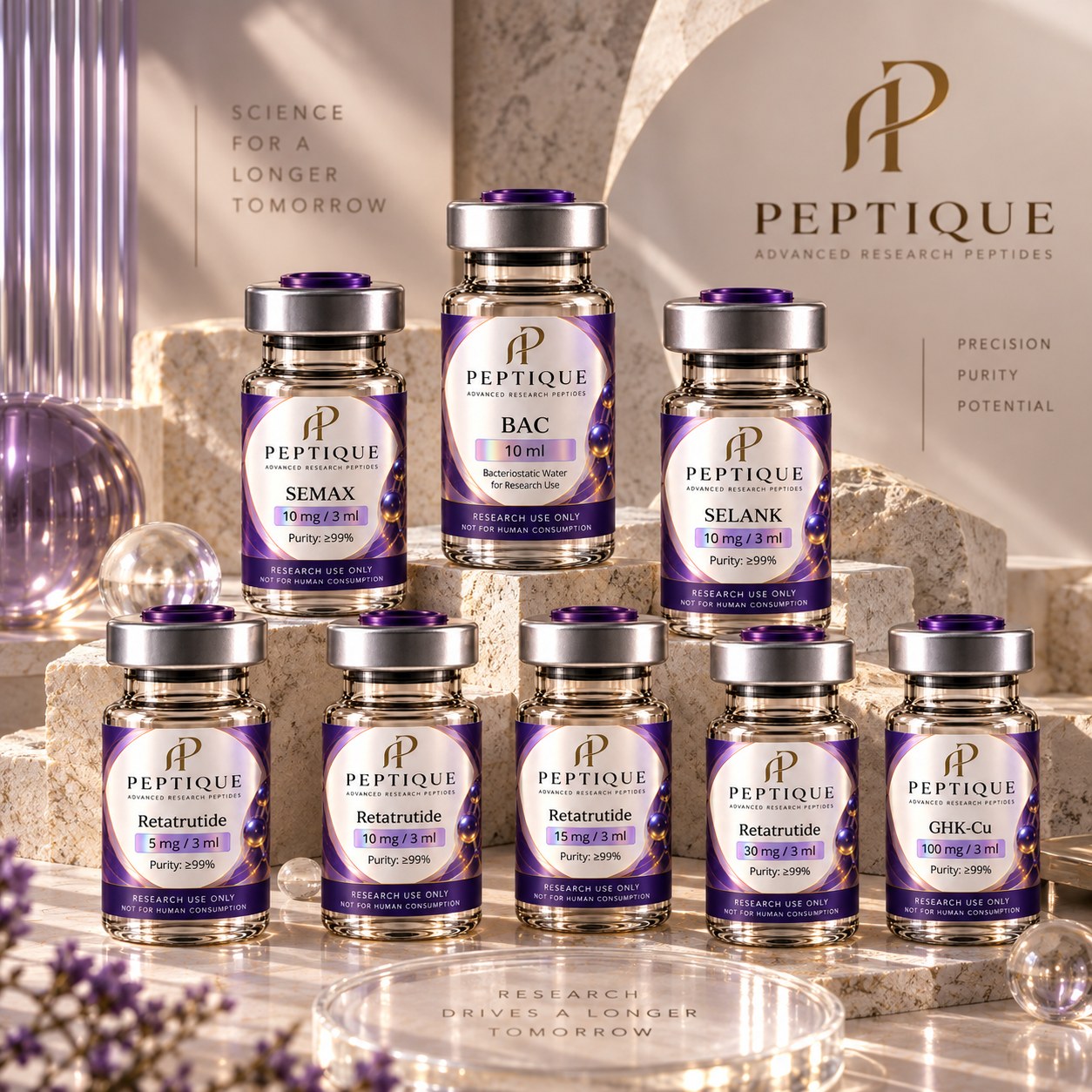
A research peptide catalog can be organized in two ways: by what each molecule promises, or by what it is used to study. The first way sells. The second helps a laboratory choose. PEPTIQUE is organized the second way: four research domains, each with a reference molecule, published literature, and quantities designed for real experimental models.
This guide is the map of the catalog. For each category: what is studied, with which molecule, on which literature, in which quantities, and what to order alongside it.
1. Metabolic & longevity research
This is the fastest-growing field of the past decade, sitting at the intersection of hormonal signaling, energy metabolism, and the biology of aging. PEPTIQUE covers the two main directions with two molecules.
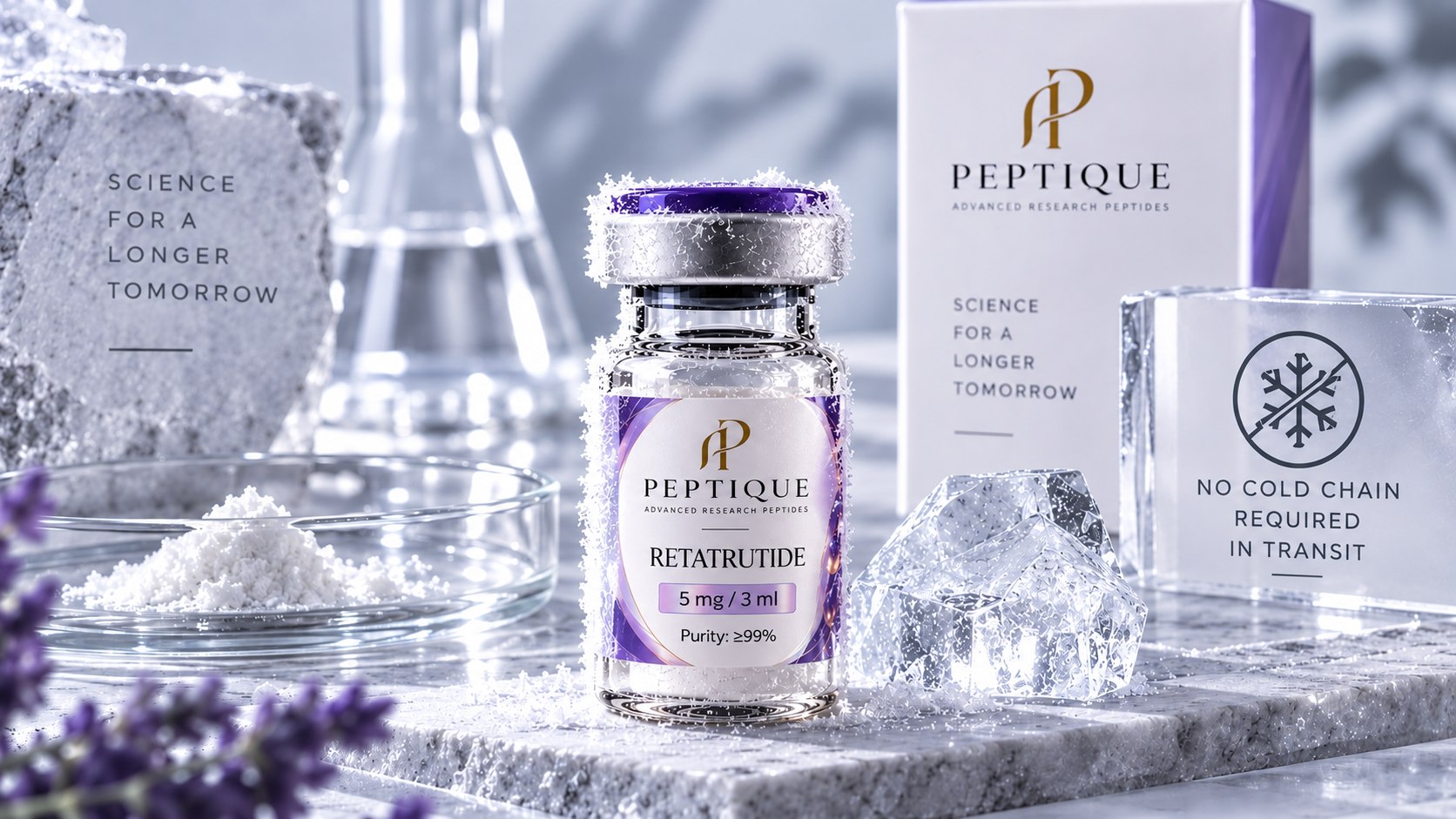
Retatrutide: the triple agonist
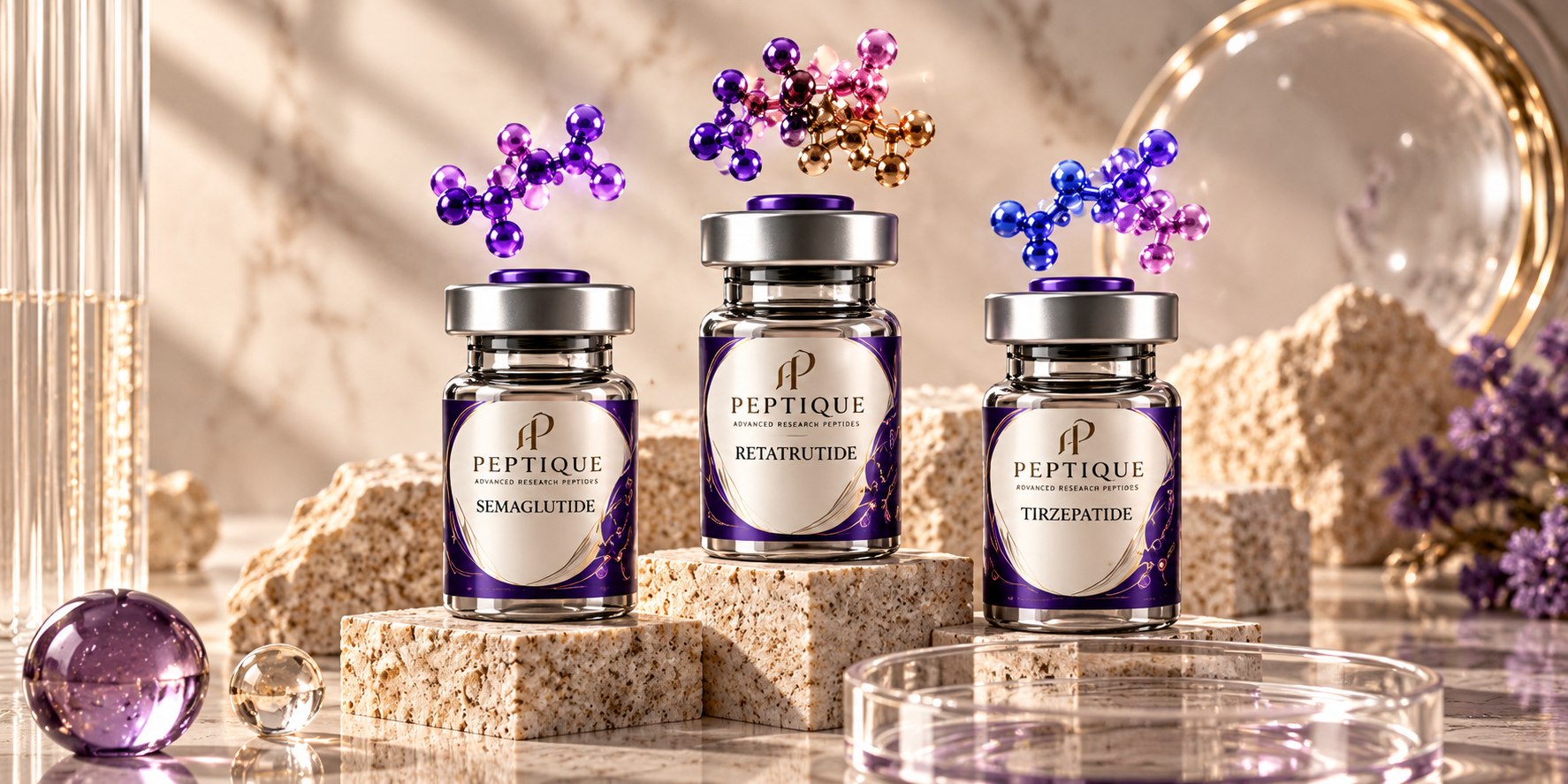
Retatrutide is the reference peptide for incretin receptor research: it activates GIPR, GLP-1R, and the glucagon receptor (GCGR) within a single molecule (Coskun et al., Cell Metabolism, 2022). It is the only one in its class to include the glucagon pathway, which makes it the right tool for studying energy expenditure and hepatic metabolism, beyond the classic incretin effects described in the review by Müller et al. (Molecular Metabolism, 2019).
- Quantities: 5 mg, 10 mg, 15 mg, 30 mg, 3 ml vial.
- Who it's for: receptor-binding studies, signaling, animal models of metabolism.
- Related article: Retatrutide vs. Tirzepatide vs. Semaglutide.
NAD+: the central coenzyme
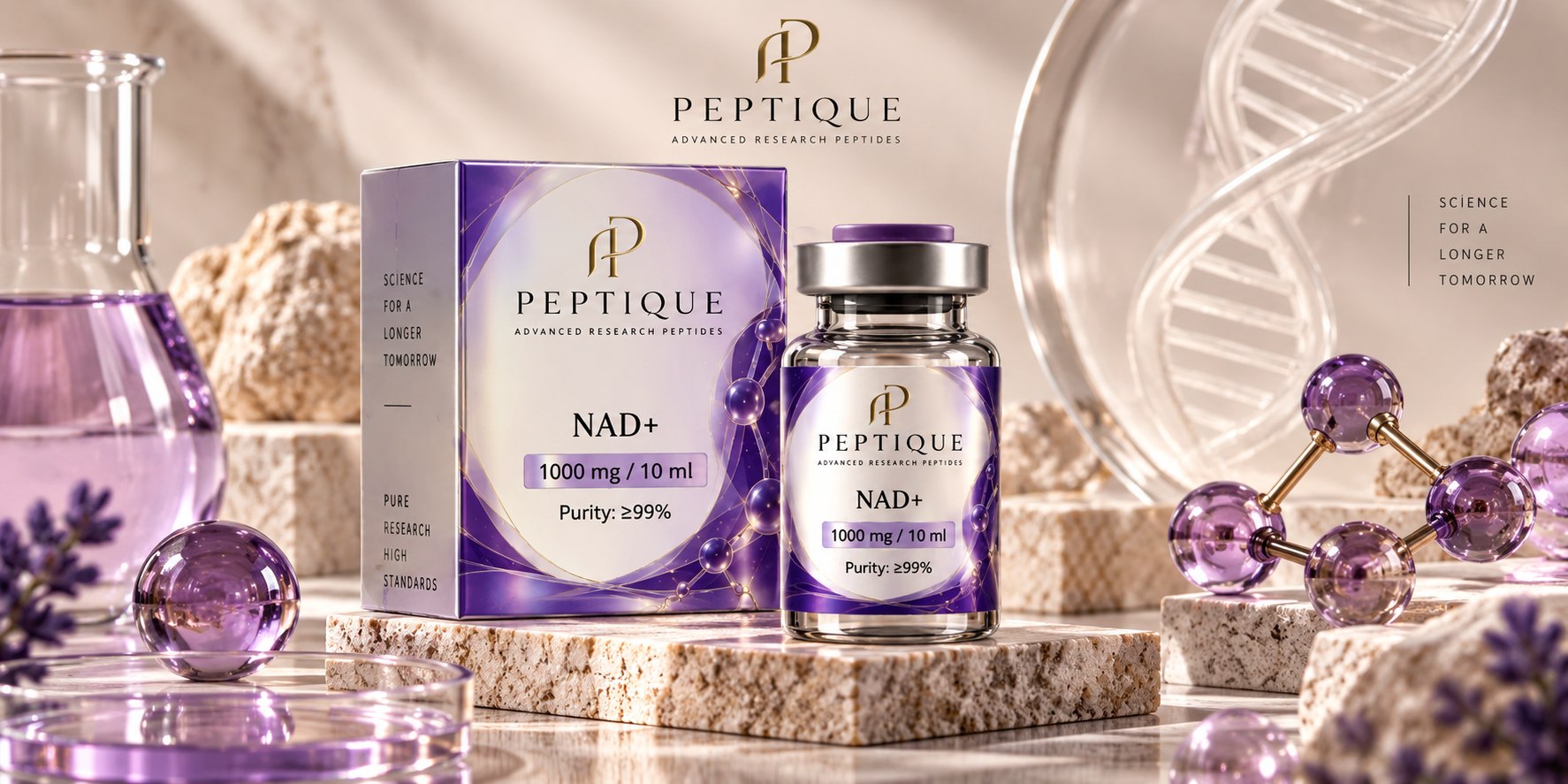
NAD+ is the substrate for the three enzyme families at the heart of longevity research: sirtuins, PARPs, and CD38 (Covarrubias et al., Nature Reviews Molecular Cell Biology, 2021). It is the base reagent for in vitro enzymatic studies, redox assays, and cell culture, and the reference against which the precursors NMN and NR are compared.
- Quantity: 1000 mg, 10 ml vial.
- Who it's for: enzymatic biochemistry, cellular metabolism, aging models.
- Note: unstable at alkaline pH and under heat.
- Related article: NAD+ 1000 mg, research guide.
2. Skin & tissue research
The field of the extracellular matrix, collagen, and tissue repair, featuring one of the oldest and best-documented peptides in the literature.
GHK-Cu: the copper tripeptide
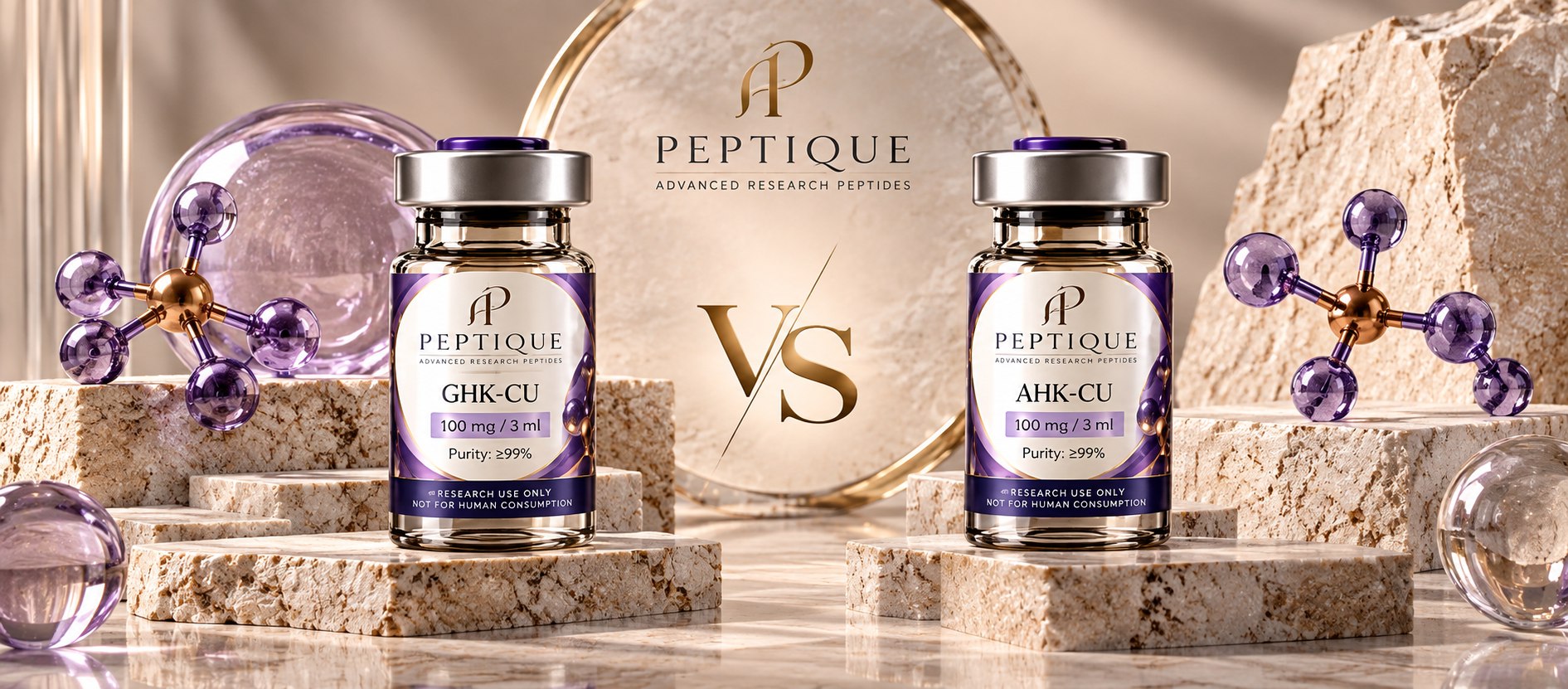
GHK-Cu is the endogenous peptide isolated from human plasma in 1973, complexed with copper(II). It is the reference molecule for studying collagen synthesis, copper transport, and gene expression modulation in skin and tissue, with Connectivity Map data spanning over 4,000 genes (Pickart and Margolina, International Journal of Molecular Sciences, 2018).
- Quantity: 100 mg, 3 ml vial.
- Who it's for: fibroblast cultures, extracellular matrix studies, gene expression, metal transport.
- Note: photosensitive; the solution is blue-violet.
- Related article: GHK-Cu vs. AHK-Cu.
3. Neuroscience research
The field of regulatory peptides of the central nervous system, featuring two heptapeptides designed by the same school, but with different origins and mechanisms (Kolomin et al., Neuroscience & Medicine, 2013).
Selank: the tuftsin analogue
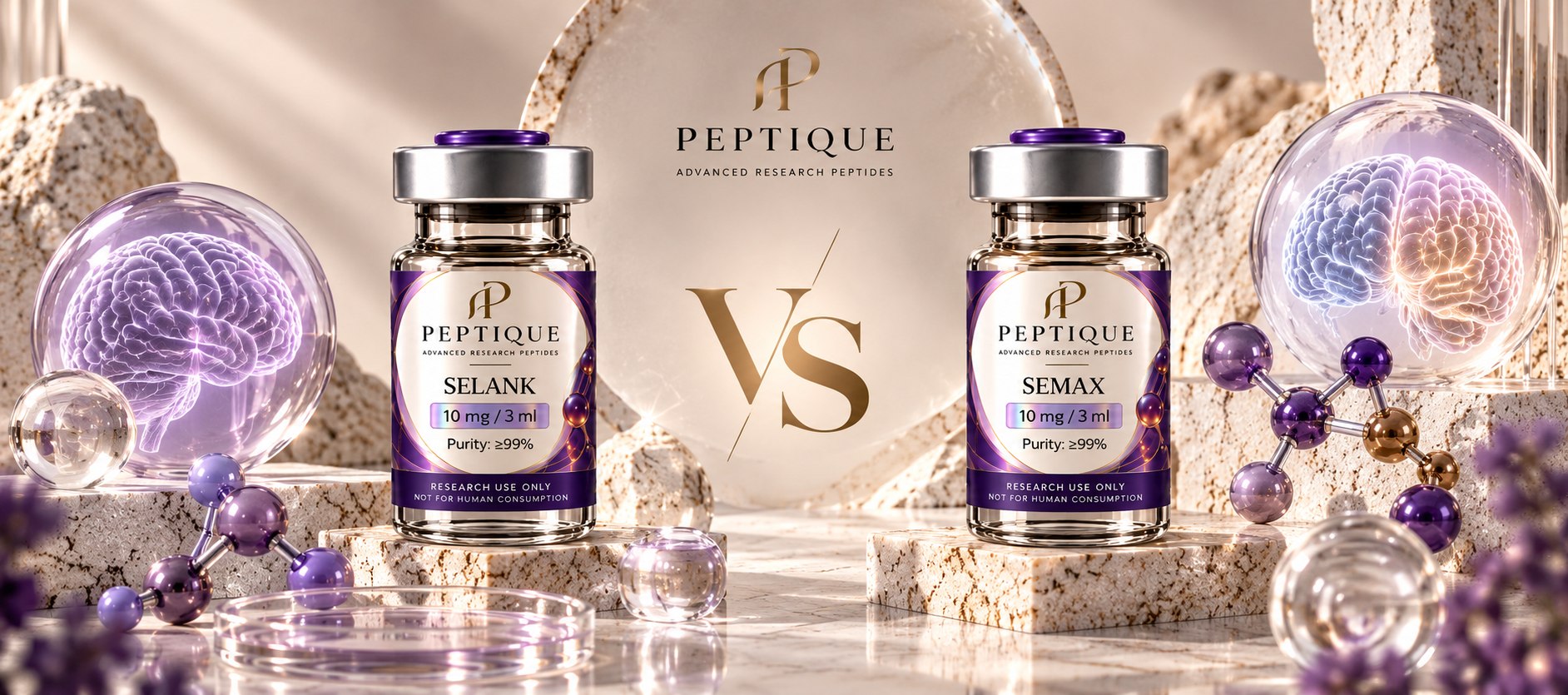
Derived from tuftsin, a fragment of immunoglobulin G, stabilized with Pro-Gly-Pro. Studied at the neuro-immune interface and in the modulation of the GABAergic system.
- Quantity: 10 mg, 3 ml vial.
- Who it's for: GABAergic studies, neuro-immune interactions, behavioral models.
Semax: the ACTH 4–7 analogue
Derived from the 4–7 fragment of adrenocorticotropic hormone, stabilized with Pro-Gly-Pro. Studied for its effects on neurotrophins (BDNF/TrkB) and for gene expression in ischemia models.
- Quantity: 10 mg, 3 ml vial.
- Who it's for: neurotrophin studies, hippocampal plasticity, transcriptomics.
- Note: oxidizable methionine; mandatory aliquoting after reconstitution.
- Related article: Selank vs. Semax.
4. Reconstitution
The supporting category, without which the other three don't work.
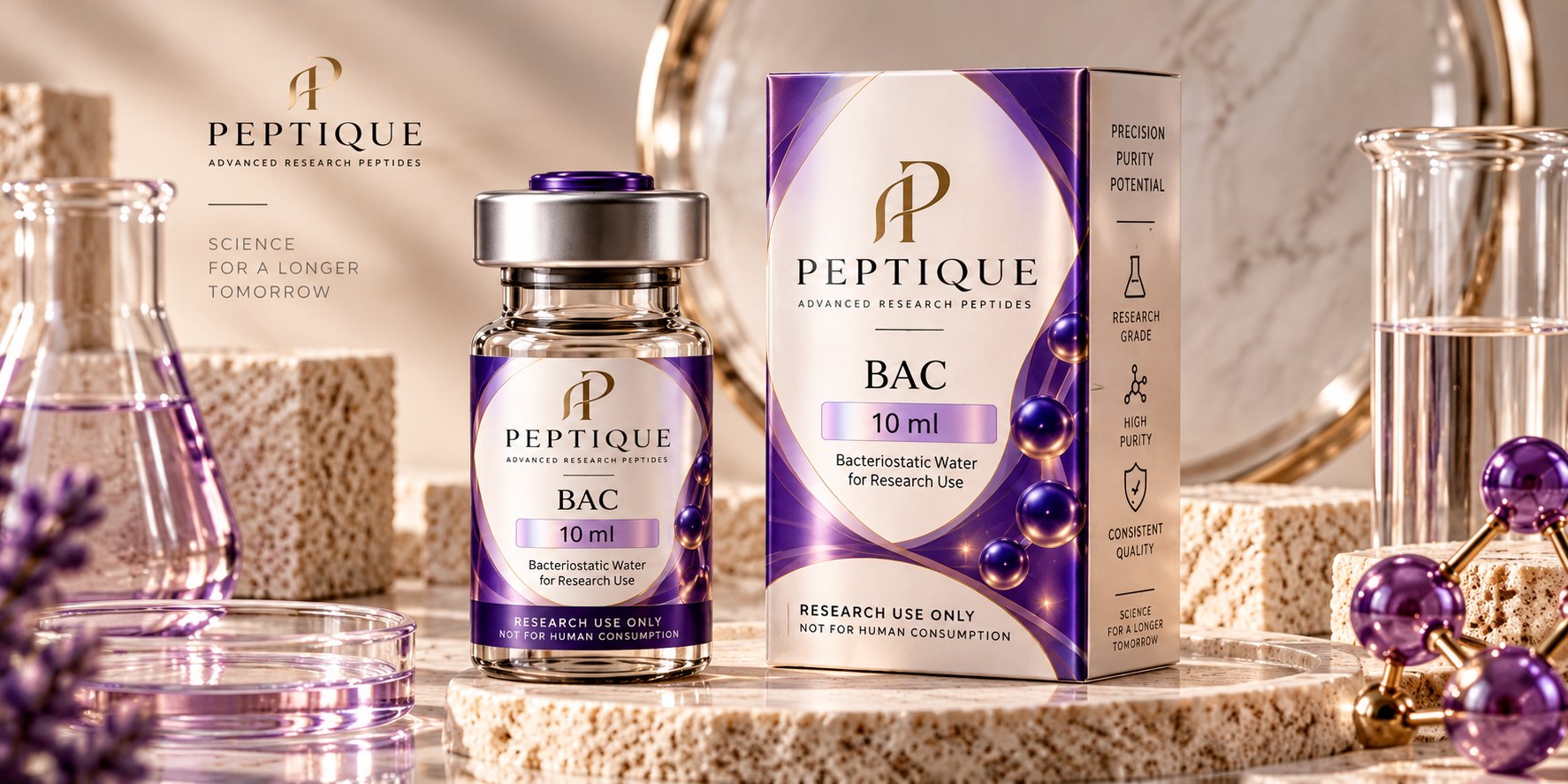
Bacteriostatic Water
Sterile water with 0.9% benzyl alcohol, the standard reconstitution medium for lyophilized powders in multi-dose vials (Meyer et al., Journal of Pharmaceutical Sciences, 2007). It allows repeated draws over several days without bacterial contamination. Compatible with every peptide in the catalog.
- Quantity: 10 ml.
- Who it's for: everyone ordering a lyophilized peptide.
- Related article: Bacteriostatic Water vs. Acetic Acid vs. "Matrix Water."
5. Table: the PEPTIQUE catalog at a glance
| Category | Molecule | Quantities | Vial | What is studied | Base reference |
|---|---|---|---|---|---|
| Metabolic & longevity | Retatrutide | 5 / 10 / 15 / 30 mg | 3 ml | GIP, GLP-1, glucagon receptors | Coskun 2022 |
| Metabolic & longevity | NAD+ | 1000 mg | 10 ml | sirtuins, PARP, CD38, redox | Covarrubias 2021 |
| Skin & tissue | GHK-Cu | 100 mg | 3 ml | collagen, matrix, copper, gene expression | Pickart 2018 |
| Neuroscience | Selank | 10 mg | 3 ml | GABA, neuro-immune | Kolomin 2013 |
| Neuroscience | Semax | 10 mg | 3 ml | BDNF/TrkB, transcriptomics | Kolomin 2013 |
| Reconstitution | Bacteriostatic water | 10 ml | 10 ml | reconstitution medium | Meyer 2007 |
6. What to order together
- Any peptide + bacteriostatic water. Without a reconstitution medium, the lyophilized vial cannot be used.
- Retatrutide in several quantities for concentration series from the same batch.
- Selank + Semax for a comparative design with the same Pro-Gly-Pro extension and different cores.
- NAD+ + Retatrutide for studies linking incretin signaling to cellular energy metabolism.
7. The catalog's common standard
Regardless of category, every PEPTIQUE product meets the same standard:
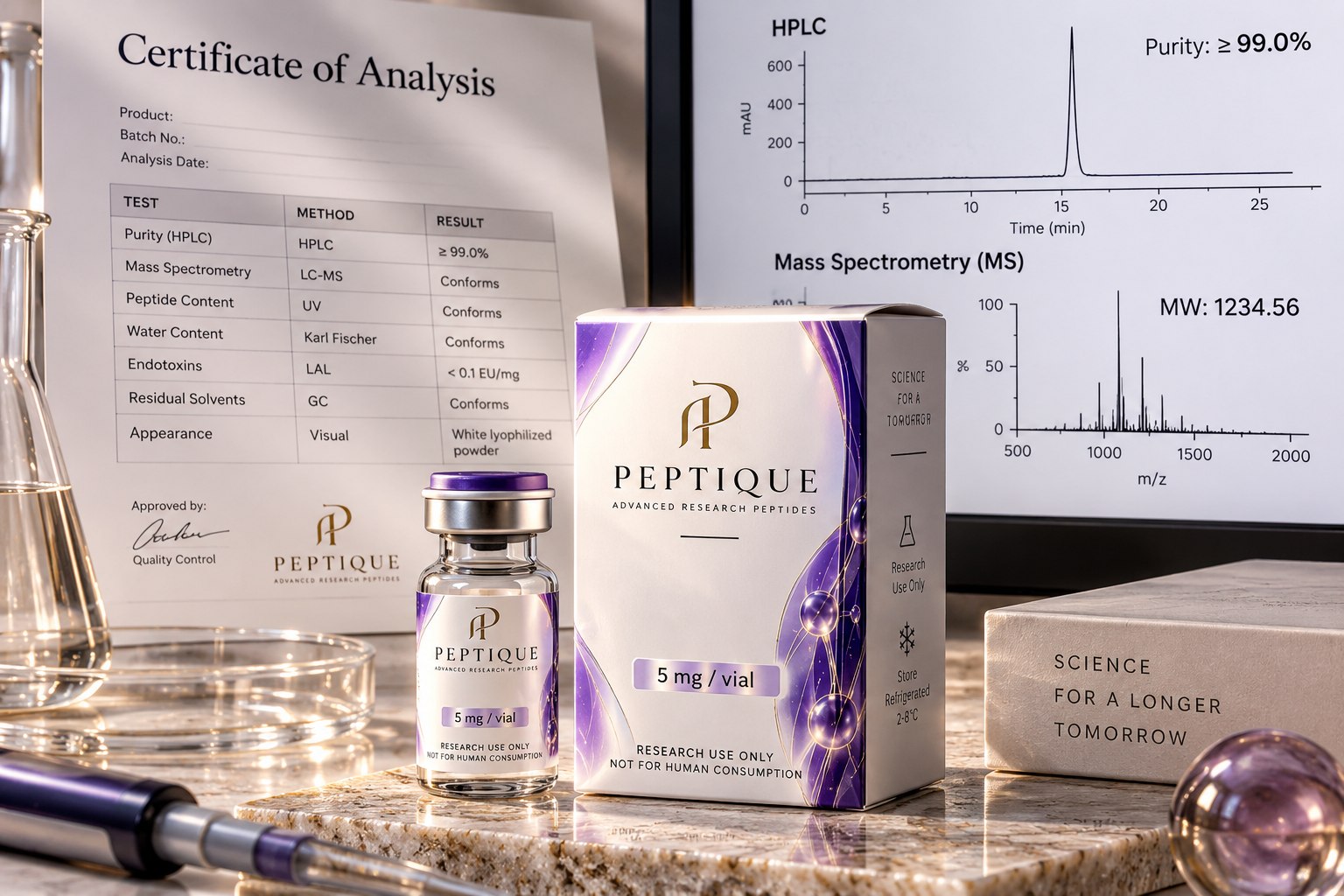
- ≥99% purity by HPLC, verified per batch.
- Certificate of analysis available on request, for the batch number on the vial.
- Traceability: batch, manufacture date, and expiry date printed on the vial and the box.
- Refrigerated storage until dispatch, lyophilized powder stable in transit, next-working-day delivery from the warehouse in Romania for orders placed before 1:00pm.
- "Research use only, not for human consumption" labeling on every vial.
8. Conclusion
Four categories, six products, one rule: each molecule is a benchmark in its field, with literature that results can be referenced against. A small catalog, but every entry is a tool, not a promise.
PEPTIQUE supplies research peptides with ≥99% purity, batch traceability, and a certificate of analysis on request. Research use only.
Frequently asked questions
How are PEPTIQUE products organized?
Why is the catalog so narrow?
What should be ordered together with a peptide?
Are the products for human use?
References
- Müller TD et al. Glucagon-like peptide 1 (GLP-1). Mol Metab. 2019;30:72-130.
- Coskun T et al. LY3437943, a novel triple glucagon, GIP, and GLP-1 receptor agonist for glycemic control and weight loss: From discovery to clinical proof of concept. Cell Metab. 2022;34(9):1234-1247.
- Covarrubias AJ, Perrone R, Grozio A, Verdin E. NAD+ metabolism and its roles in cellular processes during ageing. Nat Rev Mol Cell Biol. 2021;22(2):119-141.
- Pickart L, Margolina A. Regenerative and Protective Actions of the GHK-Cu Peptide in the Light of the New Gene Data. Int J Mol Sci. 2018;19(7):1987.
- Kolomin T et al. A new generation of drugs: synthetic peptides based on natural regulatory peptides. Neurosci Med. 2013;4(4):223-252.
- Meyer BK, Ni A, Hu B, Shi L. Antimicrobial preservative use in parenteral products: past and present. J Pharm Sci. 2007;96(12):3155-3167.