Technical articles on the research peptides in the PEPTIQUE catalogue: mechanisms, comparisons, reconstitution, certificates of analysis.
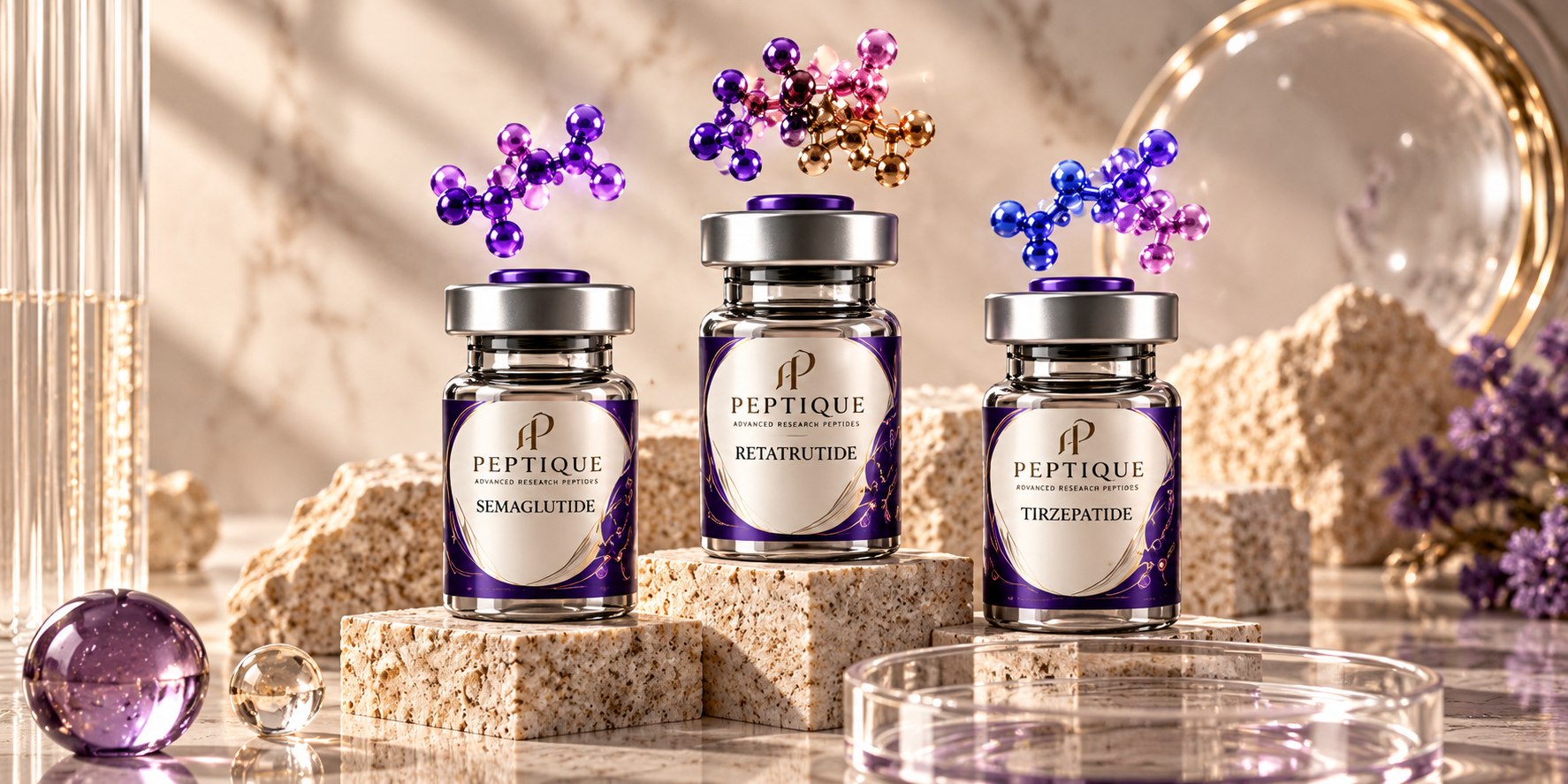
A technical comparison of the three incretin peptides studied in metabolic research — mechanism, target receptors, structure, published data, stability, and reconstitution. A laboratory guide.
Read the article →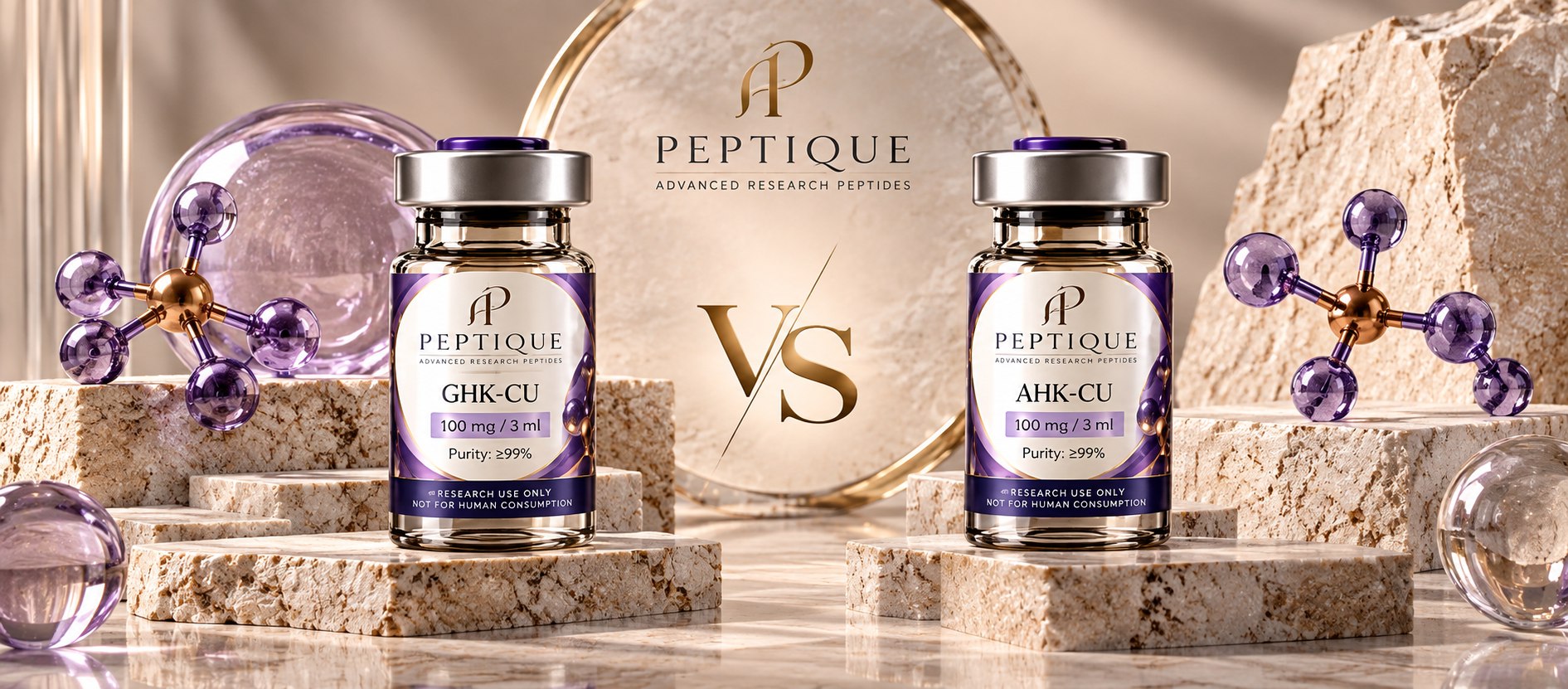
Technical comparison between GHK-Cu (glycyl-histidyl-lysine) and AHK-Cu (alanyl-histidyl-lysine) — structure, copper binding, published data, research applications, reconstitution, and stability.
Read the article →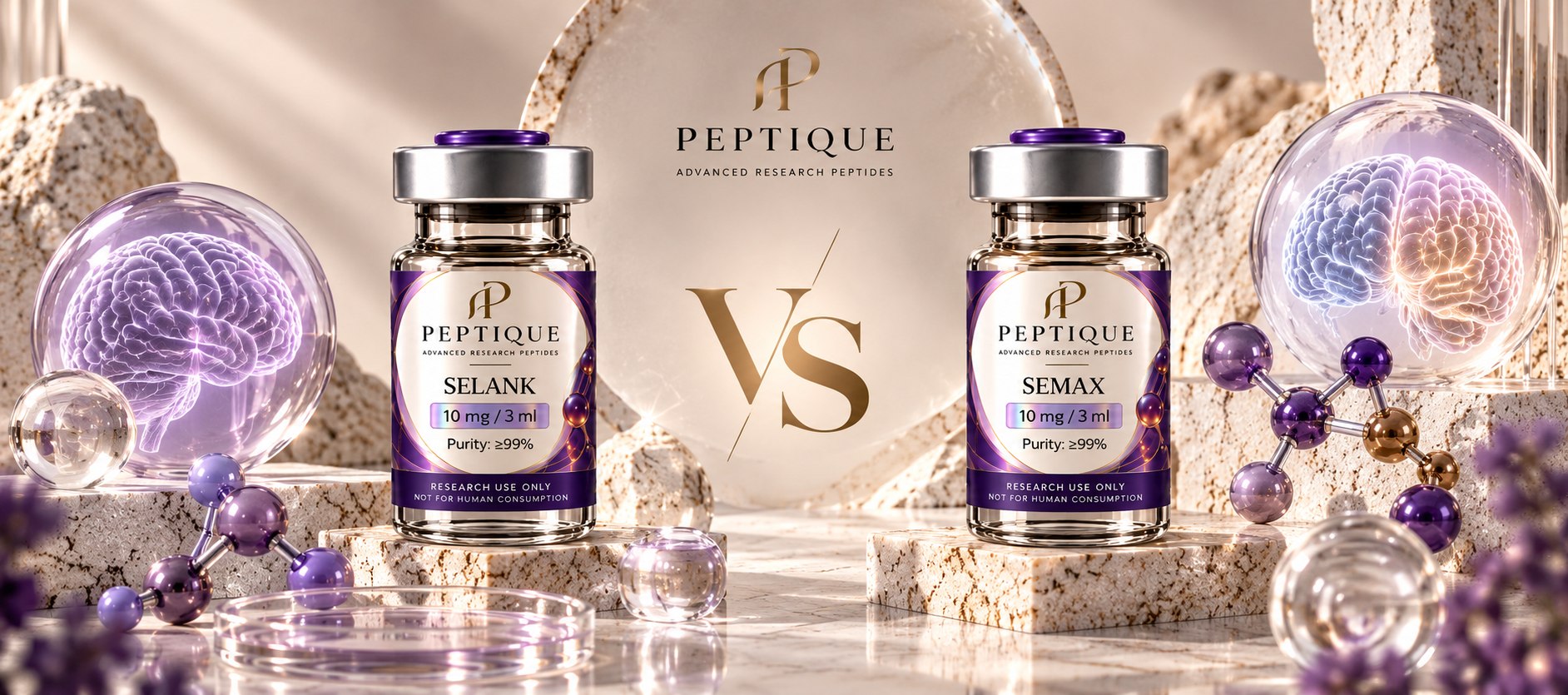
Technical comparison between Selank (a tuftsin analog) and Semax (an ACTH 4–7 fragment analog): origin, structure, studied mechanisms, published data, stability, and reconstitution. A laboratory guide.
Read the article →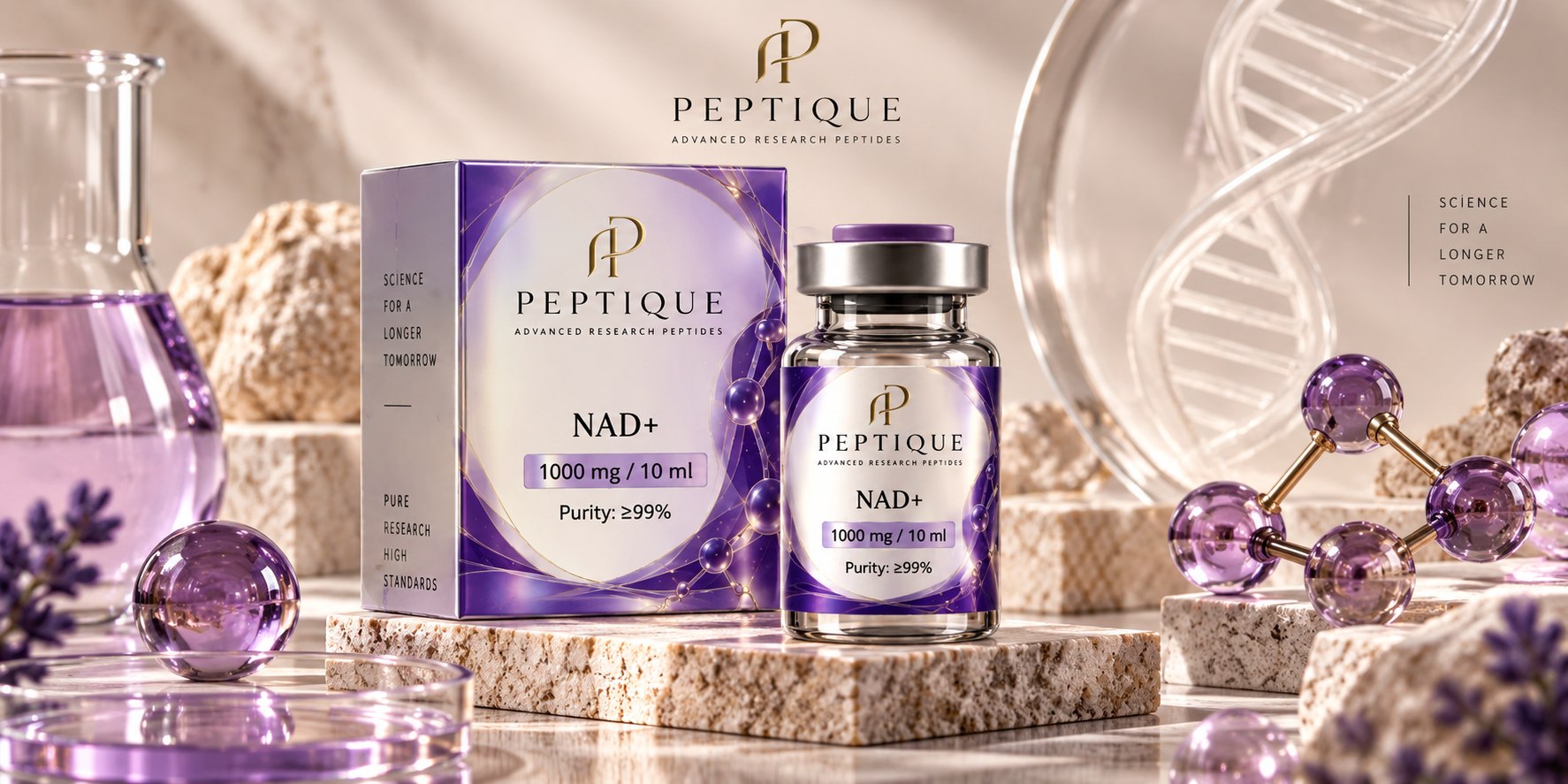
What NAD+ is, why it declines with age, which enzymes consume it (sirtuins, PARP, CD38), how it compares with the precursors NMN and NR, and how it is reconstituted and stored in the laboratory.
Read the article →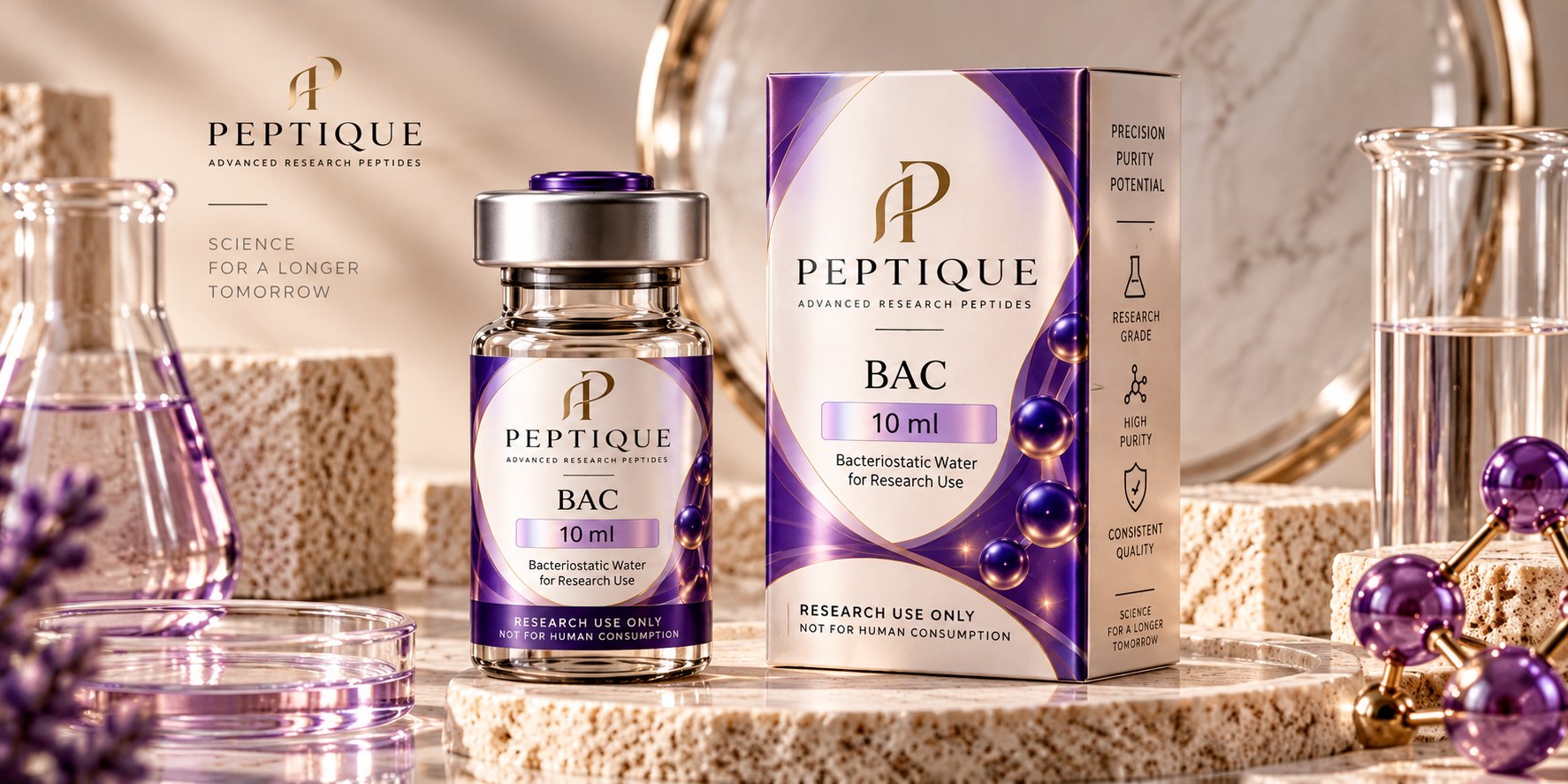
Which reconstitution medium to use for lyophilized peptides, why bacteriostatic water with 0.9% benzyl alcohol is the standard, when acetic acid is needed, what "matrix water" is, and how to reconstitute correctly, step by step.
Read the article →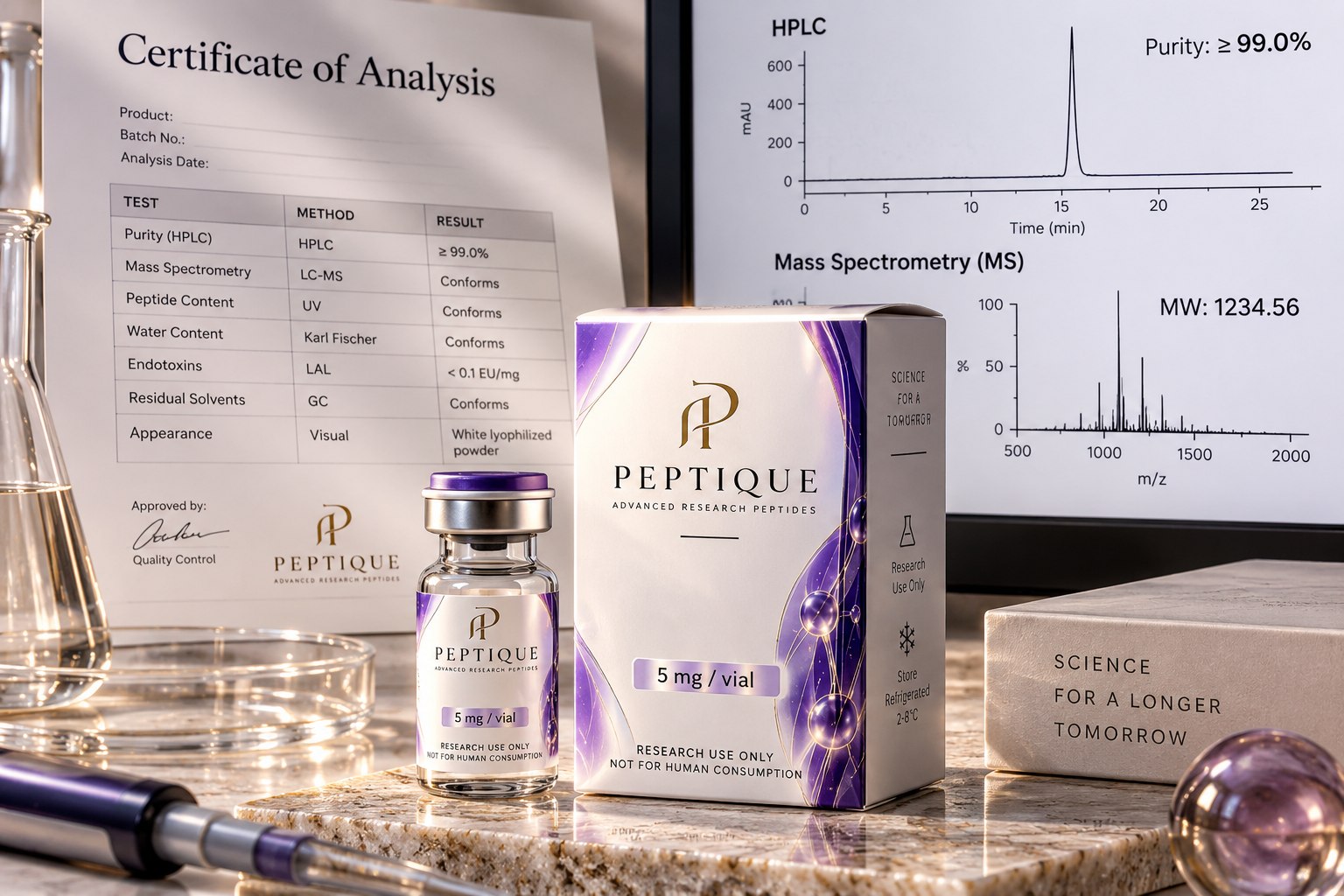
Guide to interpreting a research peptide's Certificate of Analysis (COA): HPLC chromatography, mass spectrometry, peptide content, water, counterions, endotoxins, batch number, and what a certificate does not say.
Read the article →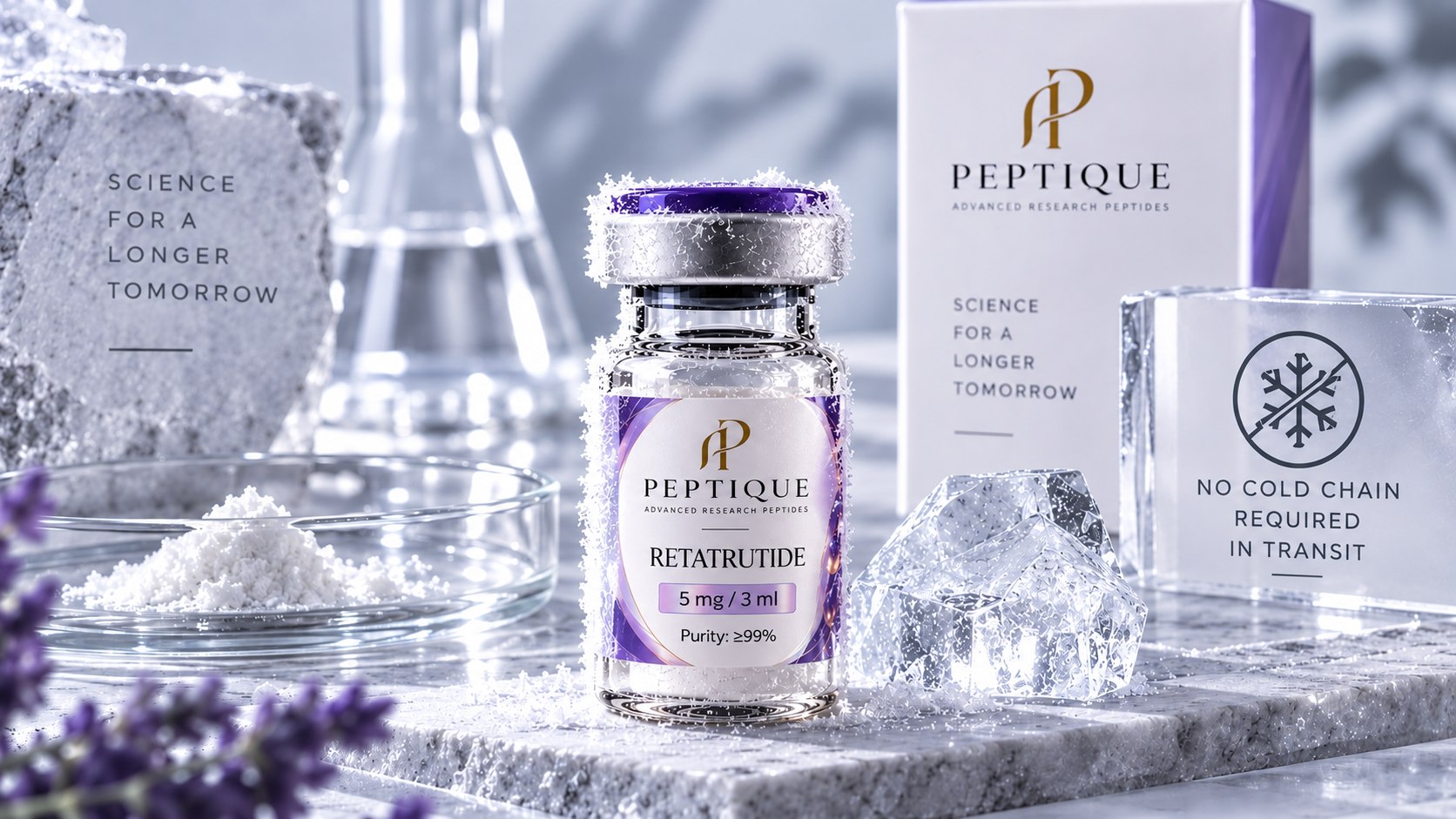
Lyophilised powder vs. ready-to-use solution (pen): why form matters. How peptides degrade (hydrolysis, oxidation, deamidation, aggregation), why lyophilisation stabilises them and makes them resistant in transit, what 2–8°C means in practice after receipt, how to store them after reconstitution, and how to check a vial on arrival.
Read the article →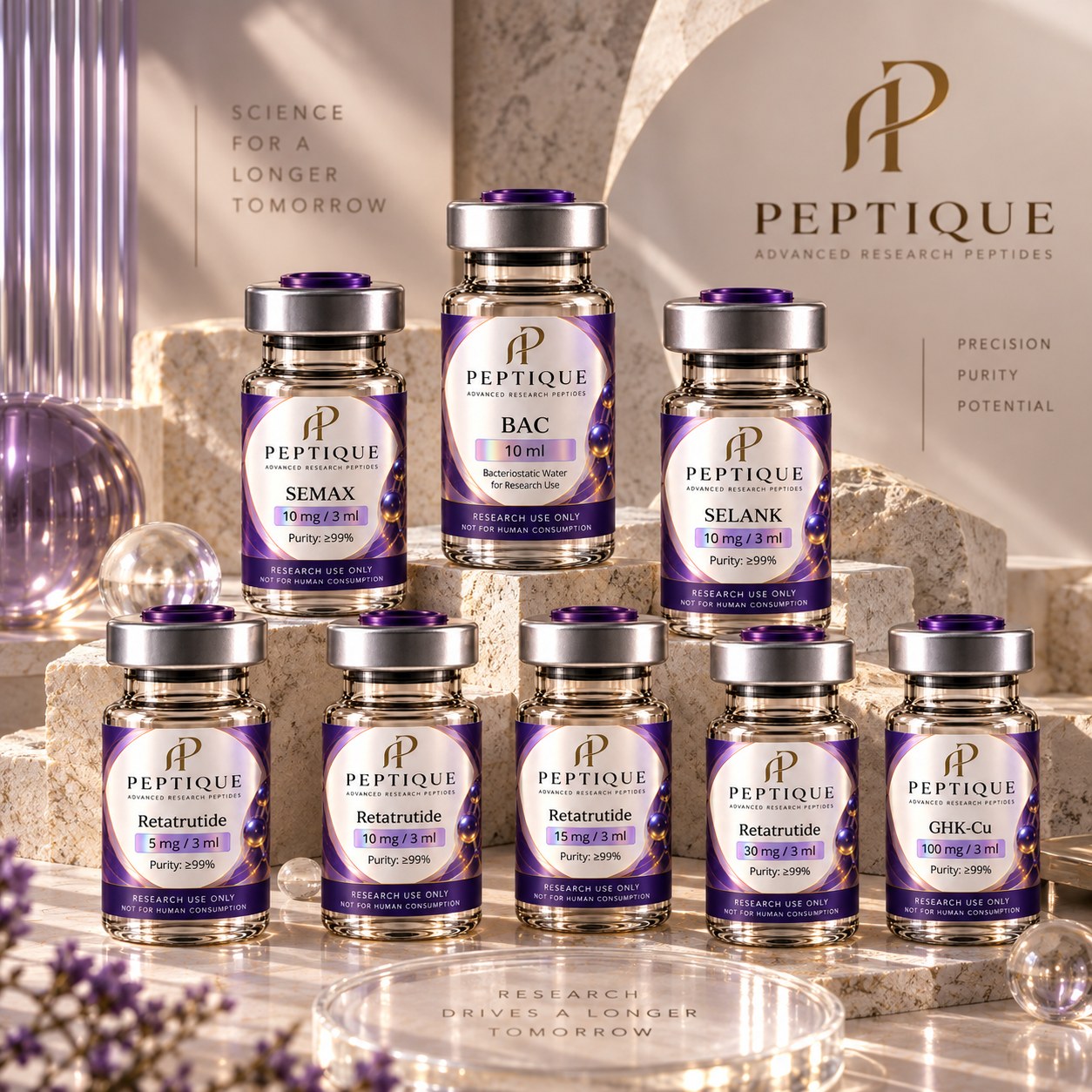
A map of the PEPTIQUE catalog by research domain — the reference molecule in each category, the mechanism studied, the core literature, the available quantities, and the other products used alongside it.
Read the article →